Wedding Invitations: The Three Ways to Buy, Priced and Compared
By Bejoined · · Updated · 5 min read
Quick answer
Pick the buying lane before you pick a design: a printable template runs $300 to $600 with DIY printing, a digital-print suite $400 to $600 per hundred, and letterpress $6 to $15 per card. Order one suite per household plus 10 to 15 extras, mail 6 to 8 weeks out, and weigh one finished envelope before buying stamps.
The invitation market looks like ten thousand designs. It is actually three ways to buy, and the lane you pick moves the bill more than any design choice will. This guide prices all three, then covers how many to order, when to mail, and what to skip. Every number in it is current as of August 2026.
The spending reality first: Joy’s 2026 report puts the average full paper suite at $518. Every lane below is judged against that.
Best value: a printable template
An independent designer sells you the design as a file: your names, your date, one flat fee. You download, proof, and print it yourself, at home for small counts or through a print shop for crisp card stock. Marketplaces like Etsy hold thousands of these from working designers, which is how the cheapest lane is also the one least likely to look like a default template. Paperlust’s 2026 budget tiers put printing for 100 DIY and digital invitations at $300 to $600, before postage and extras.
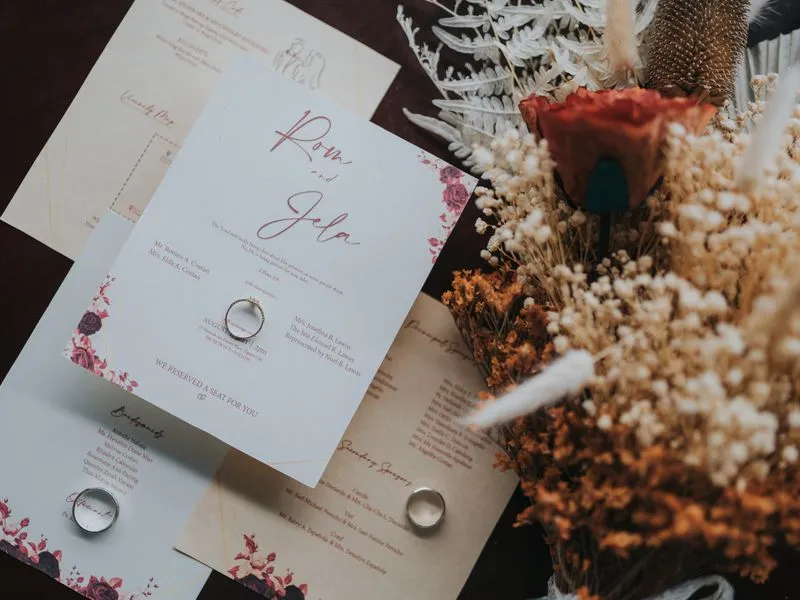
Works for: budgets where every hundred dollars is contested, couples comfortable proofing their own file twice, and small guest lists where home printing stays practical.
Skip if: you do not want to manage paper stock, margins, and a print shop, or you need envelope addressing and RSVP tracking handled for you.
Best for most couples: a digital-print suite
The middle lane: pick a design online, see a live preview with your names on it, and a printed suite arrives with envelopes, reply cards, and matching day-of paper available in the same order. Retailers like Basic Invite, Minted, Zola, and Shutterfly all run this model; Basic Invite stands out for sheer control, with instant previews in nearly unlimited colors before you pay. Digital printing runs $1 to $3 per card, and a full suite lands at $400 to $600 per hundred, which brackets Joy’s $518 average neatly.
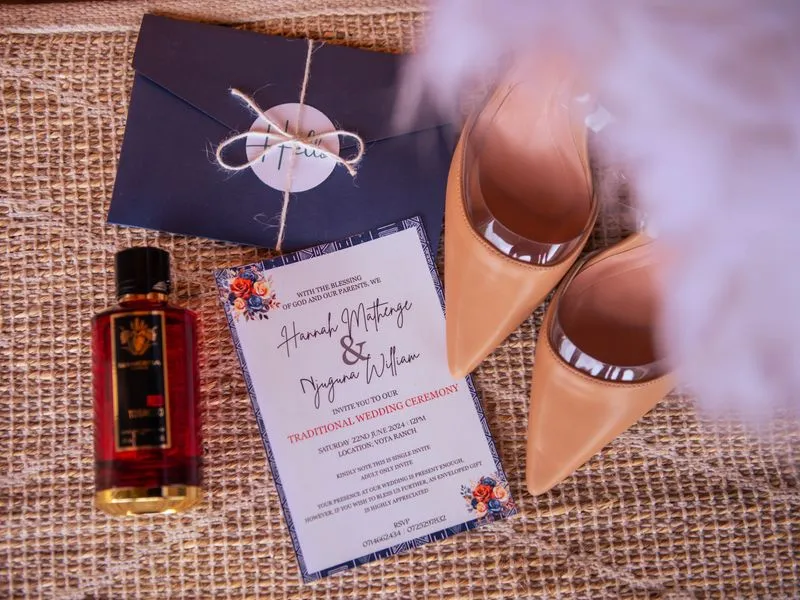
Works for: most couples: one order, previews, no printer wrangling. Also guest lists big enough that DIY printing stops being fun, and anyone who wants matching save-the-dates, menus, and programs later.
Skip if: your budget is under $400 for all paper, where templates win, or paper texture is the point, in which case keep reading.
Best paper upgrade: semi-custom letterpress
Letterpress is printing you can feel: the design pressed into thick cotton paper. The custom-studio version runs $1,500 to $3,500 per hundred, but the semi-custom version, an existing design letterpressed with your details, costs a fraction of that: $6 to $15 per card at the big retailers. The move that keeps it affordable: letterpress the invitation only, and let the RSVP and details cards stay digital.
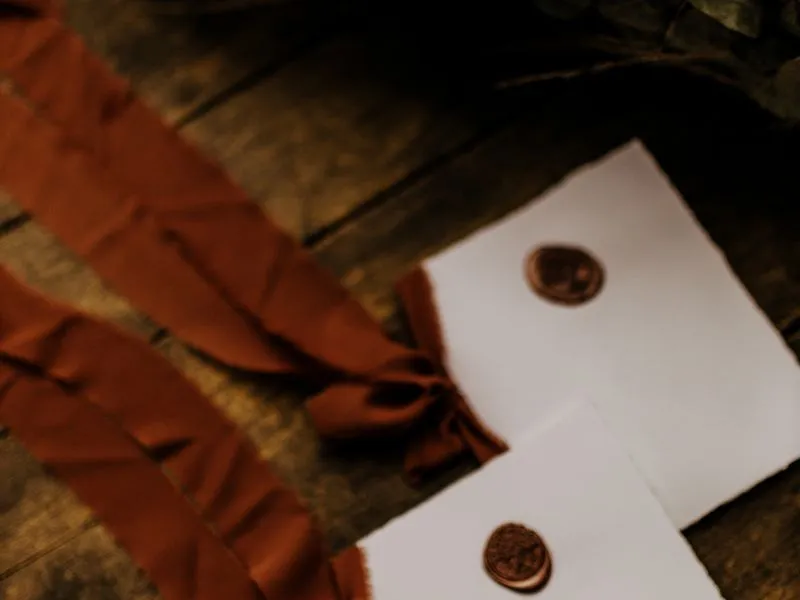
Works for: couples for whom the paper is a priority, chosen on purpose, keepsake invitations that guests keep and frame, and upgrading one piece while the rest of the suite stays cheap.
Skip if: the budget line came from cutting somewhere that mattered more, or nobody in this couple has strong feelings about paper.
The numbers, side by side
| Lane | Per card | Per 100 suites | You handle |
|---|---|---|---|
| Printable template | flat design fee | $300 to $600 printing | proofing, printing, assembly |
| Digital-print suite | $1 to $3 | $400 to $600 | approving the preview |
| Semi-custom letterpress | $6 to $15 | $600 to $1,500 | approving the preview |
| Custom letterpress studio | n/a | $1,500 to $3,500 | nothing, and you pay for that |
All figures from Paperlust’s 2026 breakdowns. The custom-studio lane is in the table because the comparison is dishonest without it.
Before you order: three rules that outrank the design
Count households, not guests. One suite per household, plus 10 to 15 extras for mistakes and keepsakes. A 120-guest list often collapses to around 70 households; say yours is 72, order 85, and every price above just dropped by a third. Reprints cost more per card than extras ordered up front.
Work backward from the mailbox. Invitations go out 6 to 8 weeks before the wedding, 10 to 16 for destination weddings; the save-the-date windows run months earlier and have their own guide. Then count back another 8 to 10 weeks from your mail date for proofing, printing, and shipping. Mailing at 6 to 8 weeks means ordering around 4 months out; a 16-week destination mailing means ordering closer to 6 months. No lane needs a rush fee at that pace. The RSVP deadline lands 3 to 4 weeks before the wedding, because your caterer count and seating chart feed on it.
Weigh one envelope before buying stamps. A standard one-ounce rectangular envelope mails for one Forever stamp, $0.82 (USPS). Square envelopes, rigid cards, and wax seals can trigger a nonmachinable surcharge, and a heavy suite crosses into the next ounce. Assemble one complete suite, seal it, and have the post office weigh it. With reply cards, budget two stamps per household, roughly $140 on an 85-suite order.
What to skip, whatever lane you pick
- Inner envelopes. A holdover from hand-delivery etiquette. One envelope does the job and keeps the weight down.
- Foil and letterpress on the RSVP and details cards. Upgrade one piece, not four.
- Rush fees. Order 8 to 10 weeks ahead of your mail date and standard shipping is free money.
- Extras bought for the photo. Wax seals, vellum wraps, and ribbon can push every envelope into surcharge territory. Give them the same test as every other detail you can skip: if it is not a genuine thrill for one of you, the postage it triggers goes with it.
The worked example
Take the 120-guest list from earlier. It collapses to 72 households, so 85 suites covers everyone with extras to spare. In the template lane, you pay a designer once, handle the printing yourself, and the whole job stays in the cheapest tier on the table. In the digital-print lane, paper plus stamps comes out around $480 to $650 all-in, which is why most couples land there: it sits right on the national average. Letterpress starts near double that before stamps and climbs with the paper. None of these bills is wrong. The only mistake is not choosing one on purpose, next to the rest of the budget.
Related articles
Planning
Wedding Details You Can Skip
Favors, staged exits, printed extras, and other wedding details you can skip without anyone missing them. What the data says, and what earns its keep.
· 6 min read
Read article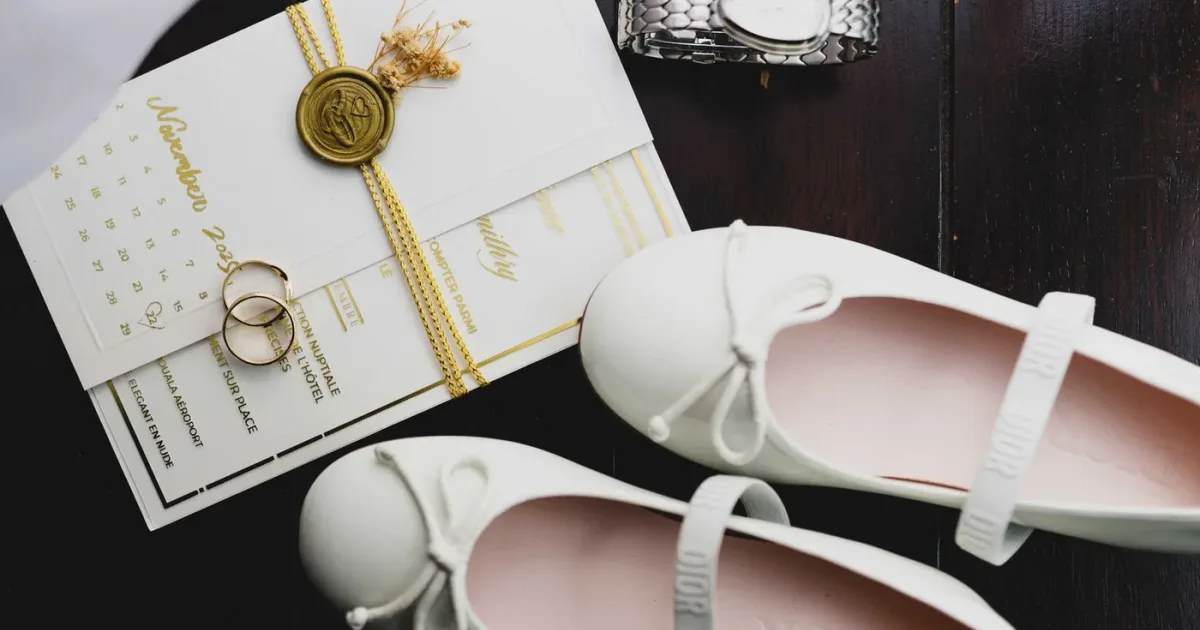
Budget
Wedding Budget Categories Couples Forget
The budget lines couples miss: alterations, vendor meals, overtime, delivery fees, taxes and service charges, tips, postage, and day-after costs.
· 5 min read
Read article
Timelines
12-Month Wedding Planning Timeline
A 12-month wedding planning timeline with real deadlines: what to book, decide, and pay month by month, from engagement to wedding day.
· 6 min read
Read article